Menopause: Why We Need to Talk About It More Openly

Introduction Menopause is a natural part of life for women, but it’s still a topic many shy away from. Why is menopause so taboo? For far too long, menopause has been wrapped in silence, surrounded by misunderstandings and myths. This silence does a disservice to the millions of women who experience it and those who will in the future. A thoughtful, diverse group of women in conversation, symbolizing openness around menopause. What Is Menopause? Menopause marks the end of a woman’s reproductive years. It’s a biological process when the ovaries stop producing eggs, leading to a decline in estrogen and progesterone levels. Learn more about the biology of menopause . Most women experience menopause between the ages of 45 and 55, but the timing can vary.                                                   Diagram showing the hormonal chang...

Coronavirus (COVID-19) - Prevention and treatment

Coronavirus is gaining importance nowadays and people are worried about whether it is really deadly. I want to say to them, relax; there are  many other diseases and conditions which are even more deadly than Coronavirus. People are dying more with Heart diseases, Tuberculosis, Diabetes Mellitus and road accidents daily than Coronavirus alone. 

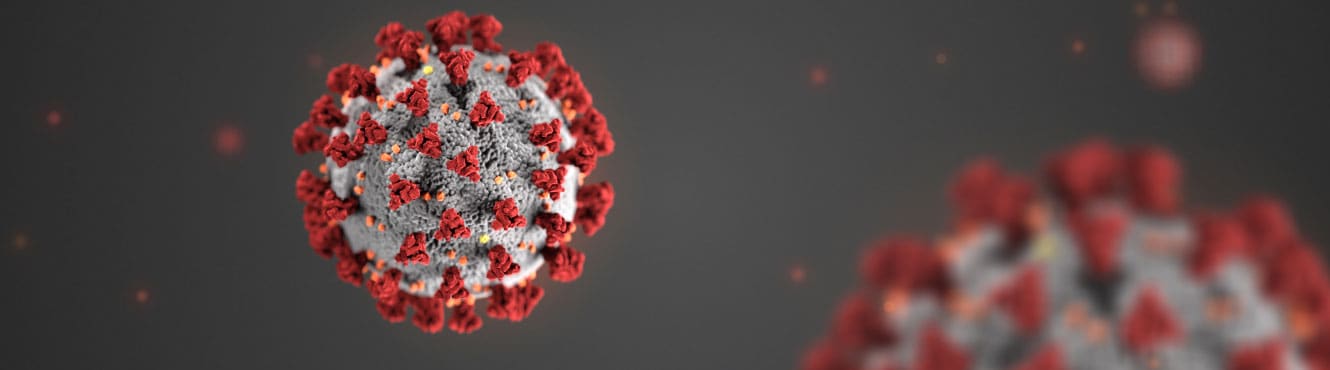
 3D illustration of the novel coronavirusNovel Coronavirus   


It comes from the family of Coronavirus which include other viruses such as MERS and SARS as well as the milder variance causing common cold. The medical consensus at this moment is that the novel corona Virus is more transmissible but appears less deadly than SARS. There is an evidence which suggests that the rate of human to human transmission of this virus appears to be higher than of SARS. Current evidence also suggests that the transmission is mostly via droplets. What this means is that the virus is carried within the droplets emitted from an infected person over a short distance such as when a person coughs or sneezes. If these droplets come into contact with the eyes, nose or mouth of the individual directly or indirectly through hands that come into contact with these droplets the individual may become affected. There is no evidence currently to suggest that the virus is airborne. There are other viruses such as the chickenPox virus which is easily transported via air currents and do not require droplets to contact the eyes or nose. The novel coronavirus is not in this category of viruses and can also be transmitted through surface contact. i.e. when a person sneezes or coughs the droplets fall on the surfaces of tables and chairs and the virus may remain alive for upto a view days.When someone else touches the surfaces of these tables and chairs,  the virus can be transferred through his hands and if he then rubs his eyes or nose without washing his hands, he may become infected. So we should wash our hands. This is the reason that only close contacts of confirmed cases only go to the quarantine. The risk of transmission is low in case of transient contact with confirmed affected individuals such as while walking past in malls and hotels. For coronavirus, generally the person is most infectious when he is symptomatic and he himself is likely to be the case for the novel coronavirus as well. There is evidence of limited spread from person without symptoms during the incubation period (1 to 14 days). However, this form of transmission may be uncommon and have so far involved isolated cases only.

Specimen Collection
Image result for specimen collection coronavirus
1. Combined naso pharyngeal/ oropharyngeal          swab.

2.  If positive repeat every 3 days till negative.
3.  If negative repeat second test after 24 hours.
4.  If there are two consecutive negative tests           isolation can be discontinued.
5.  Lower respiratory specimen is preferred               when applicable. 


Investigations
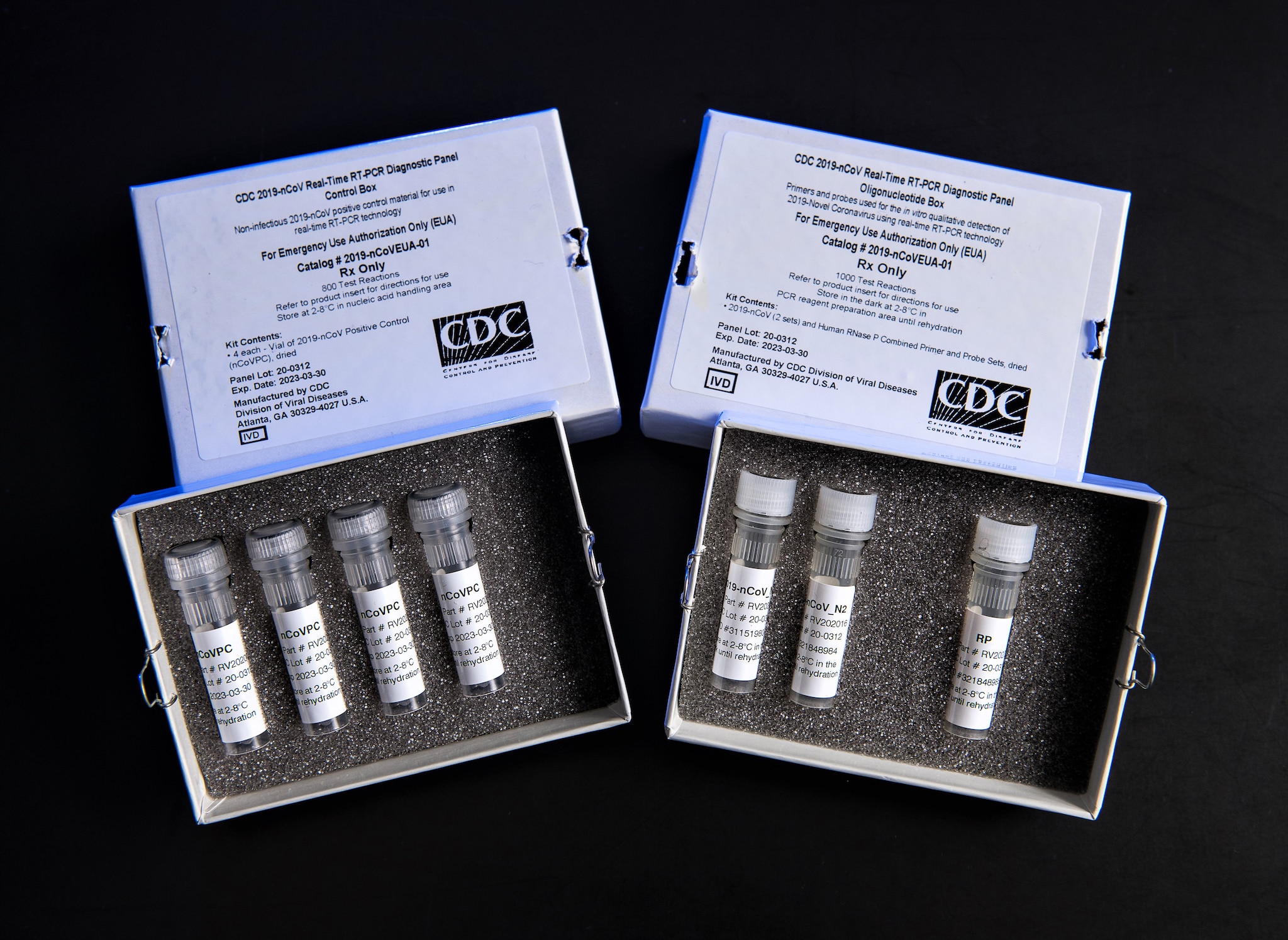
This is a picture of CDC’s laboratory test kit for the severe acute respiratory syndrome coronavirus 2 (SARS-CoV-2). CDC is shipping the test kits to laboratories CDC has designated as qualified, including U.S. state and local public health laboratories, Department of Defense (DOD) laboratories and select international laboratories. The test kits are bolstering global laboratory capacity for detecting SARS-CoV-2.
A new laboratory test kit for use in testing patient specimens for severe acute respiratory syndrome coronavirus 2 (SARS-CoV-2) has been developed by CDC, the virus that causes COVID-19. The test kit is named as the “Centers for Disease Control and Prevention (CDC) 2019-Novel Coronavirus (2019-nCoV) Real-Time Reverse Transcriptase (RT)-PCR Diagnostic Panel.” It is used with the Applied Biosystems 7500 Fast DX Real-Time PCR Instrument with SDS 1.4 software. This test is performed on upper and lower respiratory specimens collected from persons who meet CDC criteria for COVID-19 testing. CDC’s test kit is used by laboratories designated by CDC as qualified and international laboratories, such as World Health Organization (WHO) Global Influenza Surveillance Response System (GISRS) laboratories. 

Prevention
Image result for coronavirus masks photos
The most effective way that we can protect ourselves is to practise good personal hygiene. We should regularly wash our hands with soap and water and avoid touching our face with our hands.These may sound simple, but actually they are very difficult to do because all of us touch our faces all the time. Potential infection from asymptomatic person, in fact is less likely to be from coughing or sneezing directly because they do not have the symptoms, but more likely by touching contaminated surfaces, for which masks offer no protection.Wearing a mask when we are well often gives us a false sense of security instead and we are more likely to touch our faces, when we constantly adjust our masks, which is one way the disease spreads. At the same time, we need to protect others, our loved ones, friends, colleagues and fellow countrymen that we come into contact with. If we are sick we should rest and recover at home as far as possible. If we do need to go out to see a doctor for instance and we are unwell, we should wear a surgical mask to protect others. 

If possible unnecessary exposure and meetings with crowd may be avoided. At times, saliva of sick person and patients may remain on surfaces of other objects they touch like door knobs, pens, digital devices, keyboard of laptops/computers and mouse/cursors etc, hence computer operators must use the disposable gloves while operating such devices.
Taking attendence with biometric machines must be stopped. Side railings and door knobs must not be touched with bare hands. Staff should not be on traditional greetings and handshakes for their own safety and general public. Officials must ensure that if a person is suffering from flue, he /she must wear a mask. One mask shall not be used for more than one day. All towels in bathrooms must be removed and replaced with disposable paper towels where required.
Image result for hand washing images

2 minutes hand washing should be done after every three to four hours with soap and water after touching a suspected contaminated surface. Hand washing should be done thoroughly and includes the washing in between the fingers, under the nails and back of hands.


Open spittting in public must be avoided. Create awareness without creating panic since prevention is better than cure and take necessary preventive measures at home and offices. 

Treatment

Protocol for treatment of confirmed COVID-19 InfectionImage result for photos of coronavirus pills( for upper respiratory tract infection-Fever, runny nose, cough without lung infiltrate and positive PCR)

1.   Chloroquine phosphate  Per Oral 500 mg 12 hourly for 5 days
2.   Osaltamivir Per Oral 150 mg 12 hourly for 5 days


Treatment of COVID -19 Pneumonia
Image result for lung infiltrates in coronavirus
1.  Chloroquine phosphate per oral  500mg 12 hourly for         10 days
2.  Darunavir / Cobicistat (Rezolstat 150 mg once a day         for 2 weeks
                          Use in combination 1 and 2
                                                       
                                                 OR
Atazanavir (Reyataz) 400 mg once daily with food for two weeks
                                               plus

Oseltamivir Per Oral 150 mg 12 hourly for 2 weeks Corticosteroids may be used i.e.
Methyl Prednisolone 40 mg 12 hourly for 5 days


Comments